How to Store Lyophilized Coenzymes: A Lab Guide
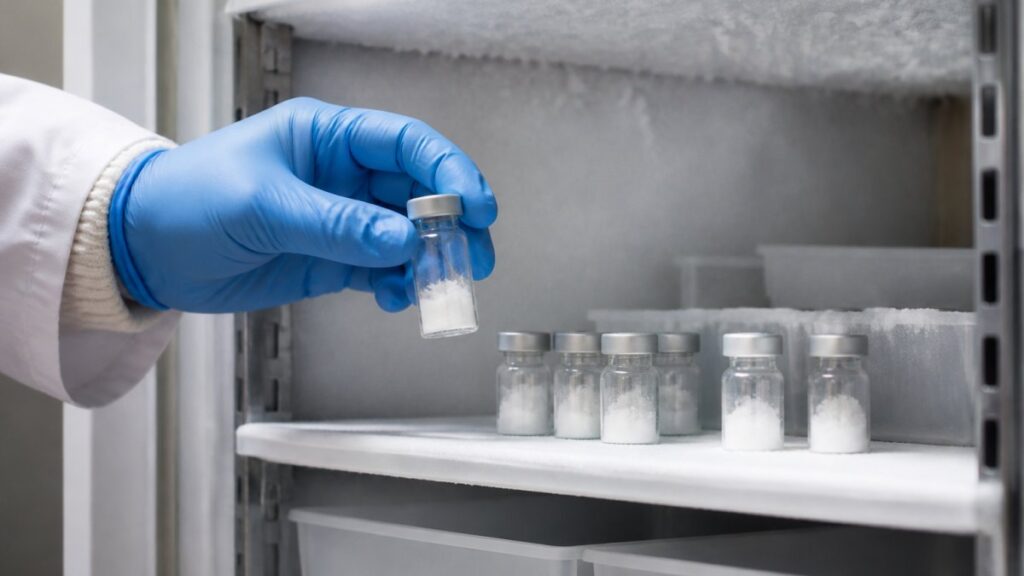
Store lyophilized coenzymes at -20°C or -80°C in airtight, vacuum-sealed vials. Protect from light and moisture to maintain stability.

Store lyophilized coenzymes at -20°C or -80°C in airtight, vacuum-sealed vials. Protect from light and moisture to maintain stability.
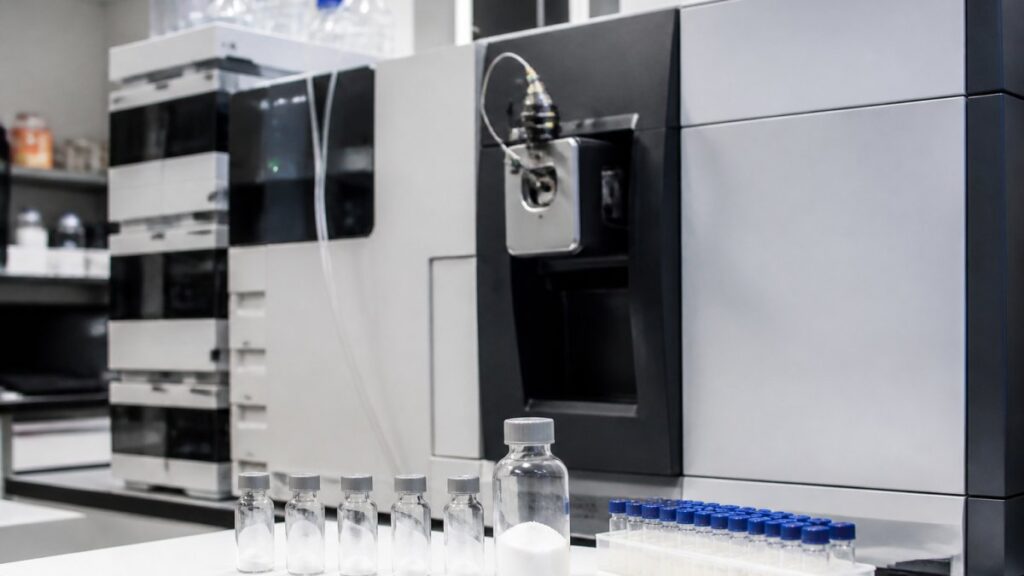
Learn how peptide mass spectrometry works, from sample prep and LC-MS/MS to interpreting spectra, plus tips on avoiding common analysis failures.
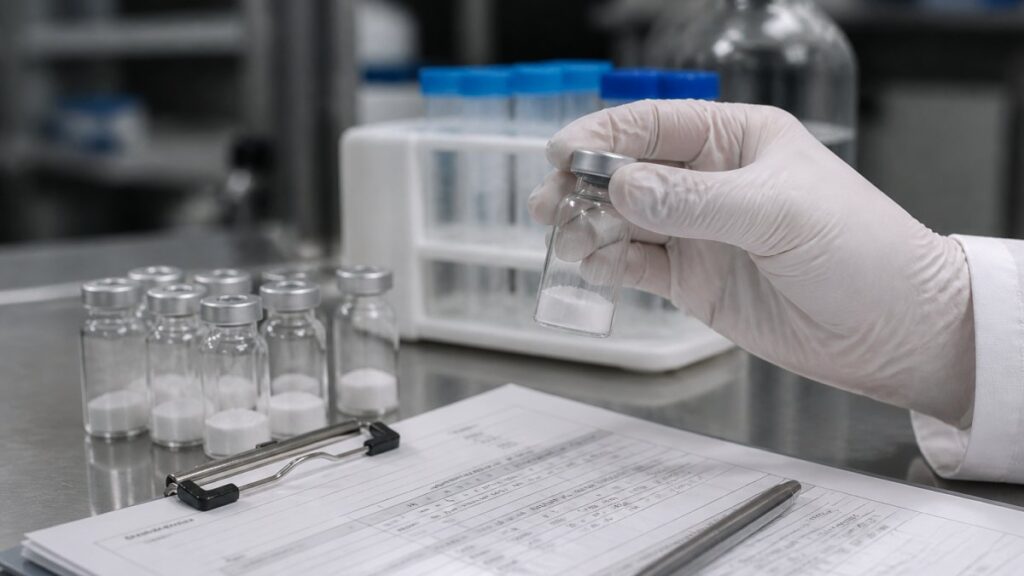
Learn what a batch level certificate of analysis includes, how to read one, and why batch-specific COAs matter for peptide purity testing.
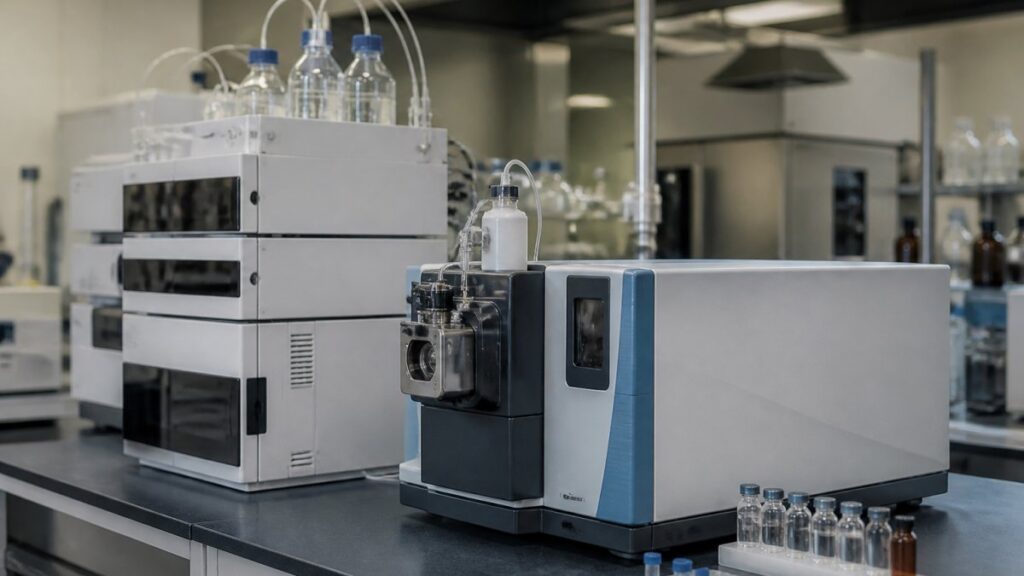
Compare alternatives to standard CoQ10 assays, including LC-MS/MS, ubiquinol measurement, sample prep, and validation criteria for accurate results.
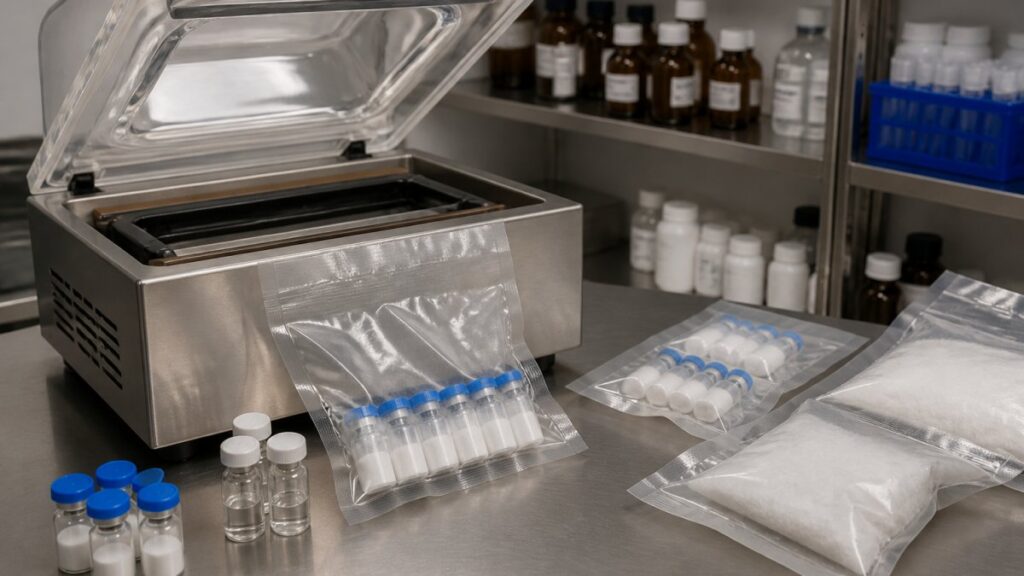
Vacuum sealing works for some dry chemicals but fails for volatile, corrosive, or moisture-sensitive compounds.
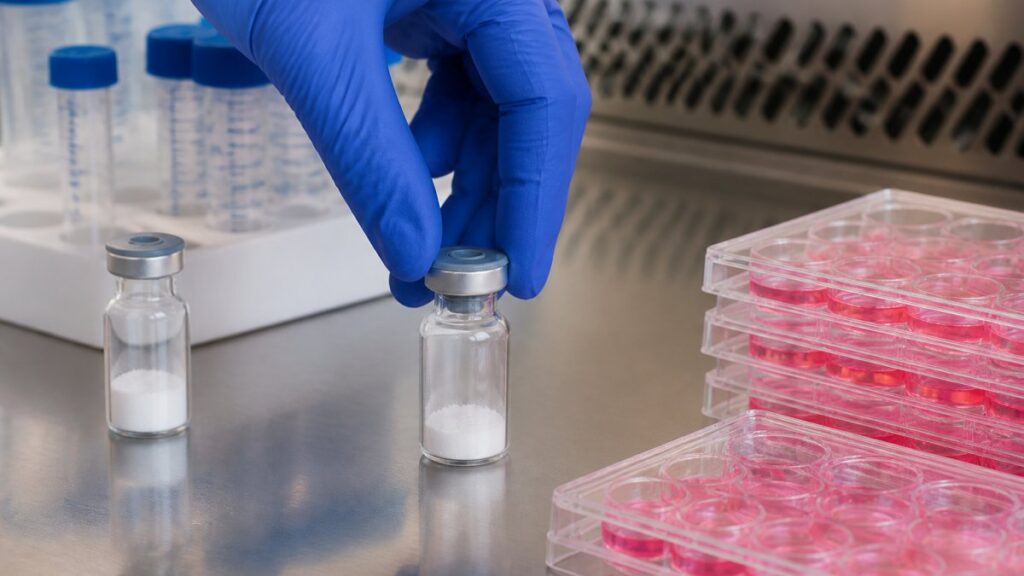
Learn how lyophilized peptides improve cell culture stability, consistency, and shelf life. Covers storage, reconstitution, and practical lab protocols.
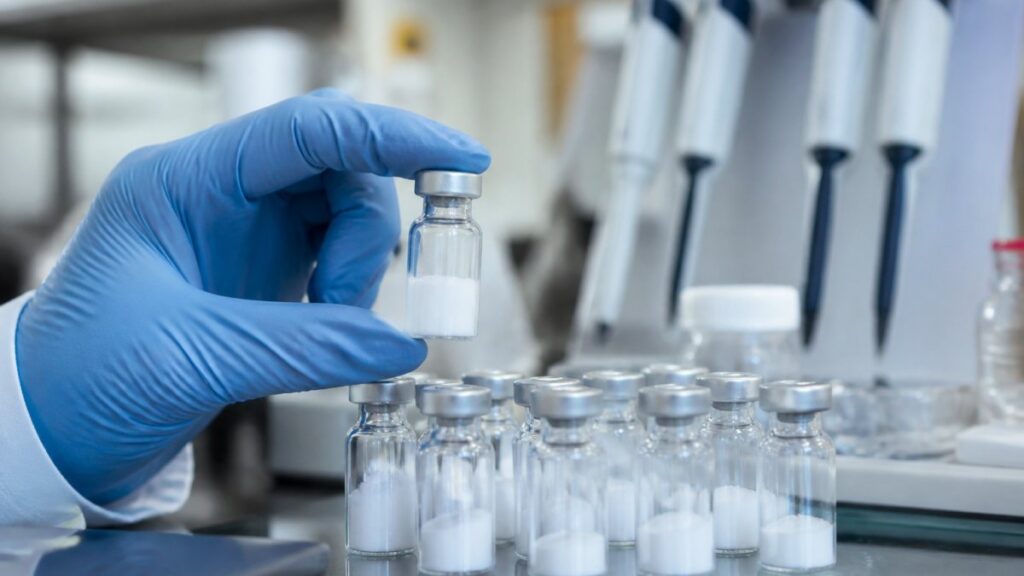
Compare peptide synthesis services by pricing, purity testing, turnaround time, and quality metrics. Find the right vendor for your research needs.
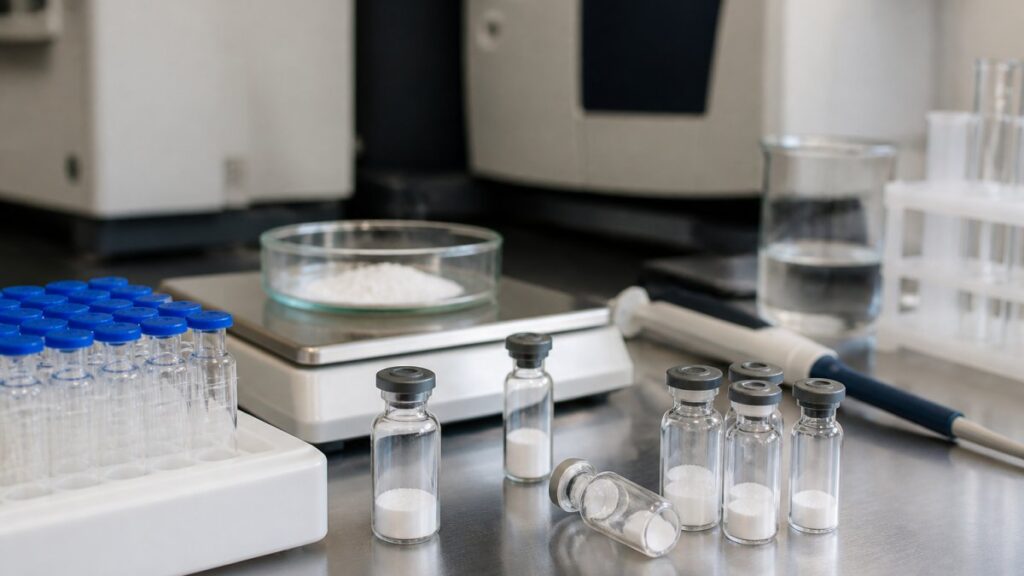
Peptide purity drives quantitative assay accuracy. Learn 5 best practices for purity testing, HPLC analysis, and CoA interpretation.
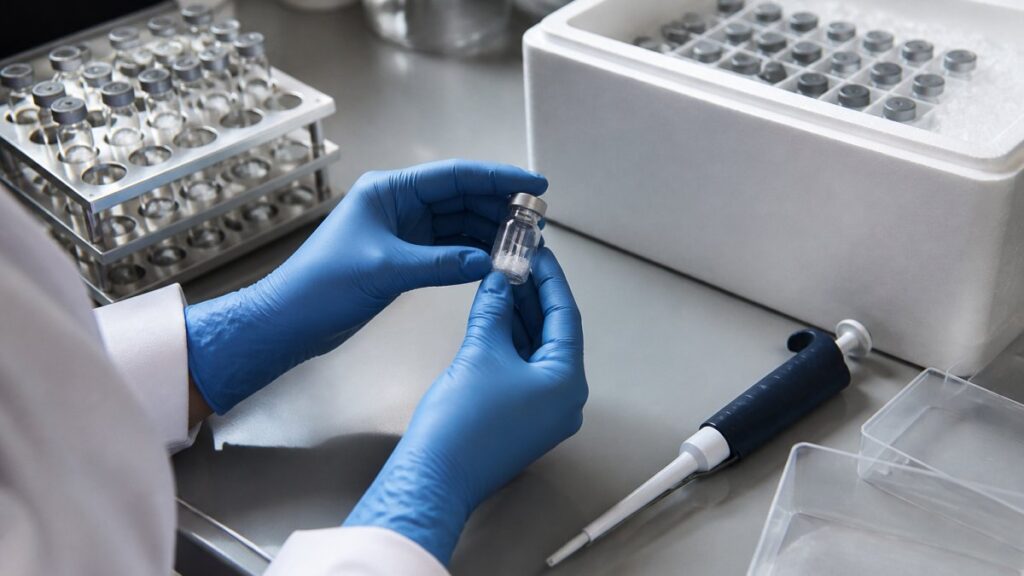
Compare elamipretide peptide suppliers, COA documentation, pricing per milligram, and storage requirements before you buy SS-31 for laboratory research.
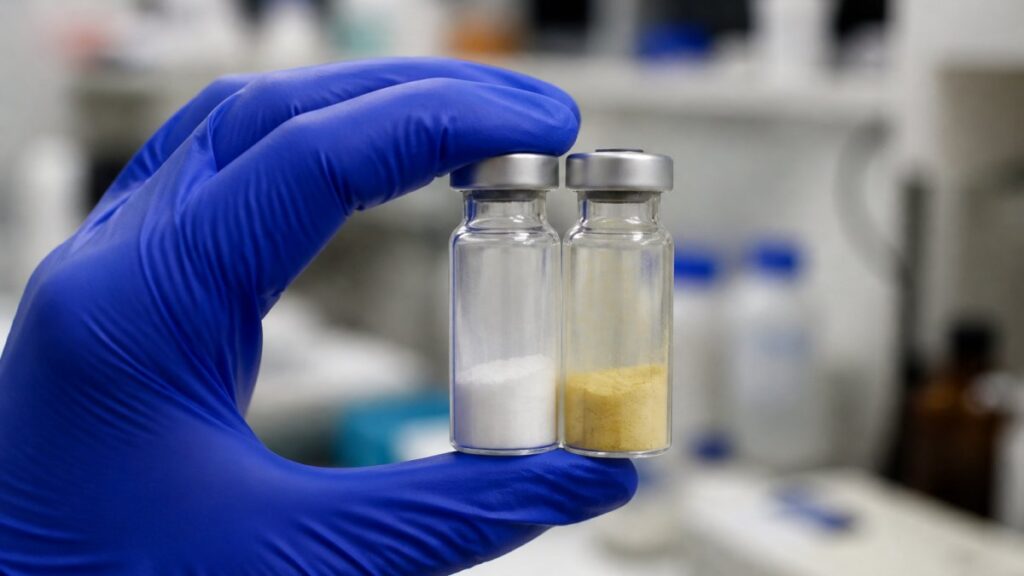
Learn to spot chemical degradation in vials early. This guide covers visual signs, analytical testing, and storage practices to protect your research.