Signs of Chemical Degradation in Vials: A Lab Guide
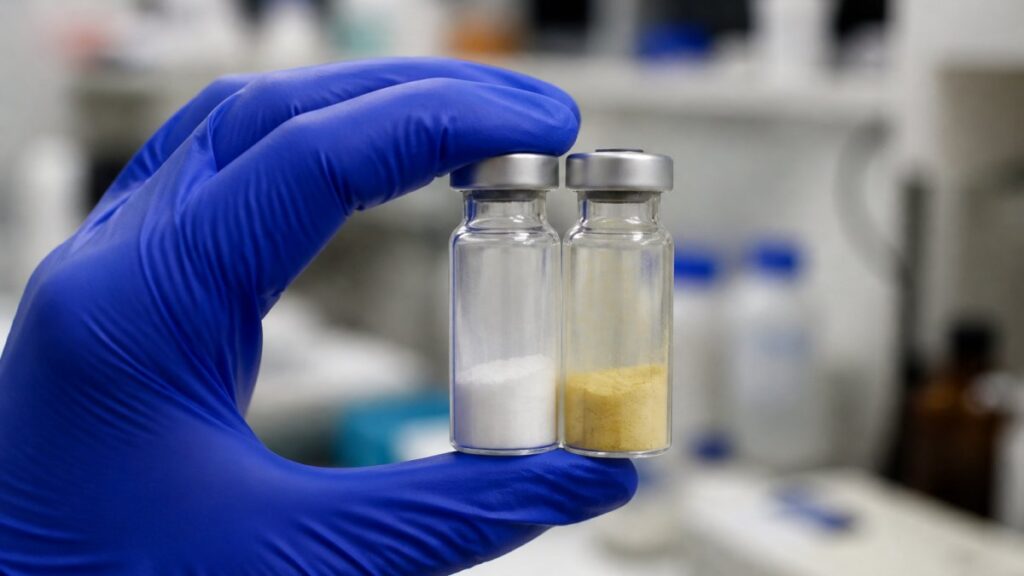
Learn to spot chemical degradation in vials early. This guide covers visual signs, analytical testing, and storage practices to protect your research.
Learn to spot chemical degradation in vials early. This guide covers visual signs, analytical testing, and storage practices to protect your research.
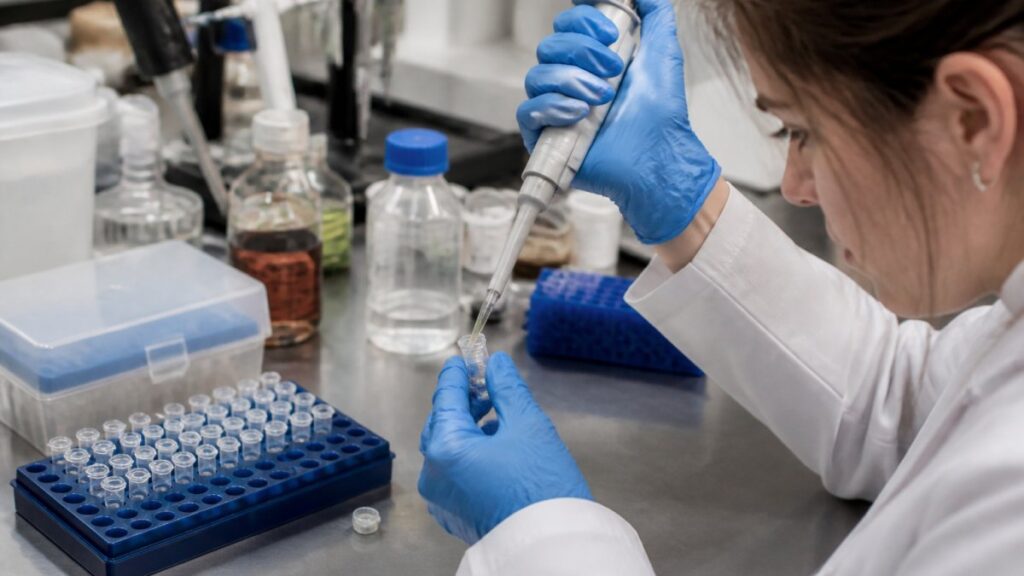
Learn how to measure mitochondrial coenzyme levels accurately: sample prep, HPLC and LC-MS/MS methods, validation, and interpreting CoQ10 results.
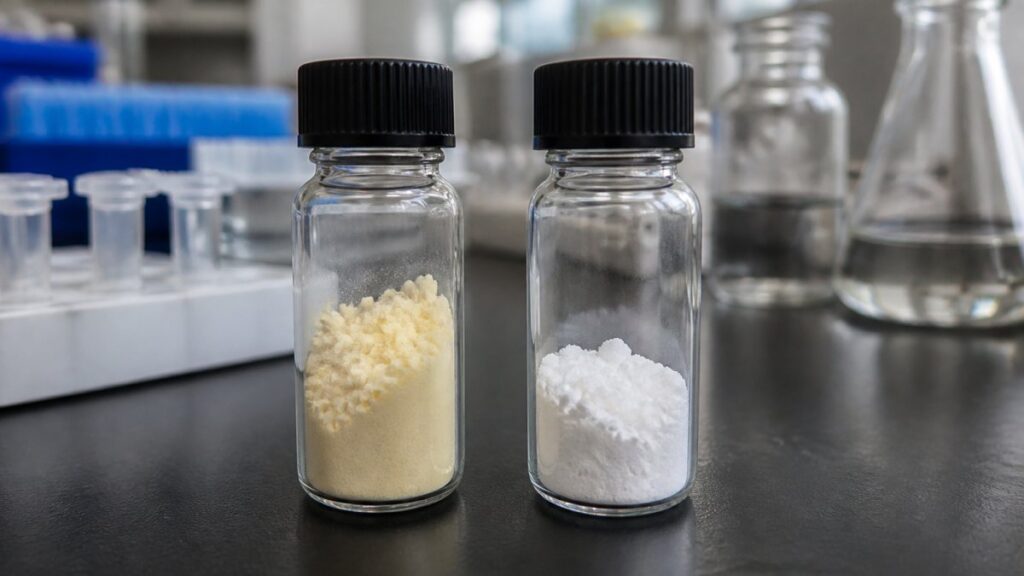
Coenzyme Q10 vs NAD+ in metabolic studies: compare mechanisms, clinical evidence, and assay methods for research-grade materials.
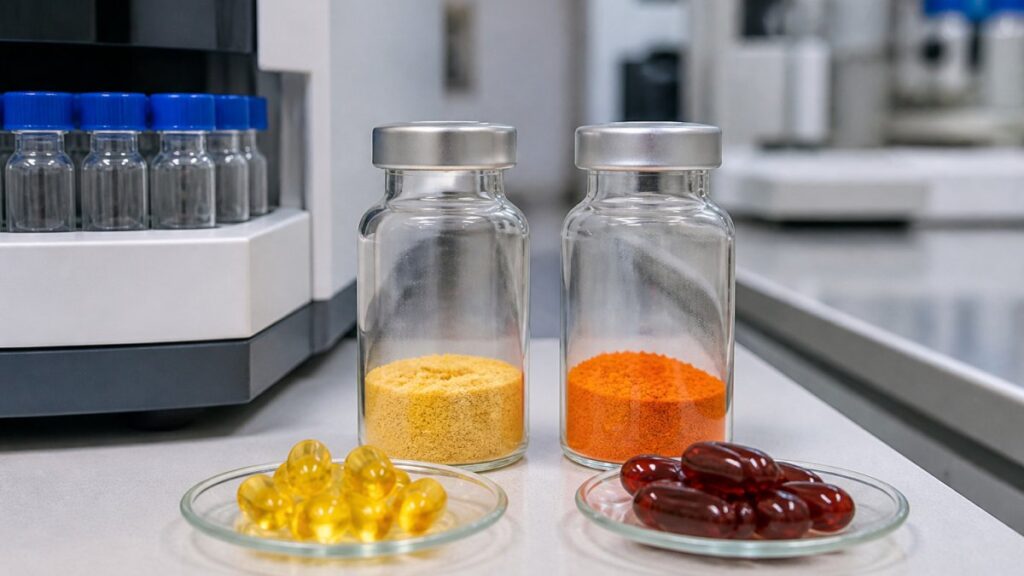
CoQ10 vs ubiquinol in research: compare ubiquinone and ubiquinol bioavailability, stability, and HPLC analysis for lab studies.
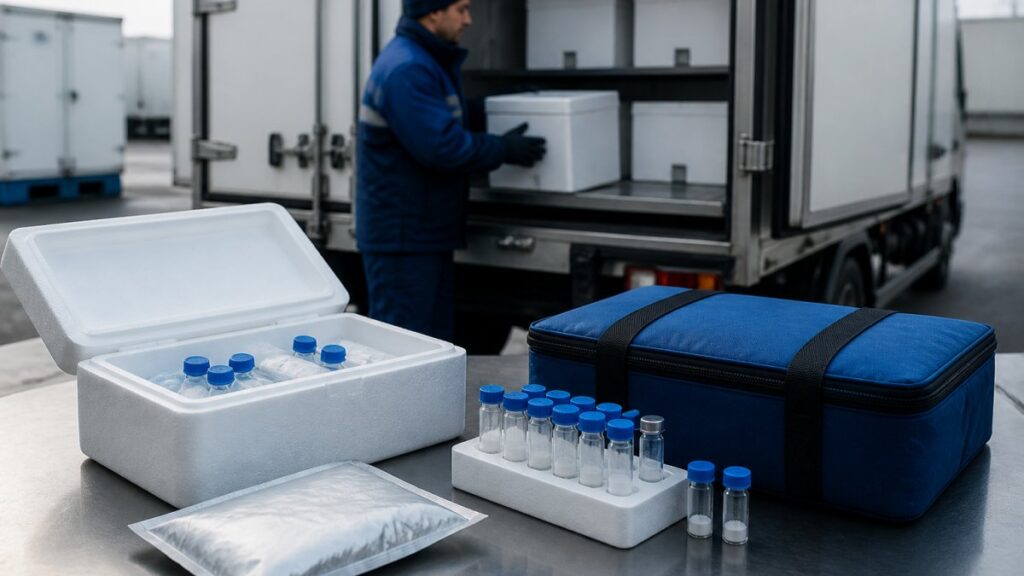
Discover 7 ways to improve cold chain logistics, from real-time monitoring to last-mile delivery, and protect temperature-sensitive research materials.
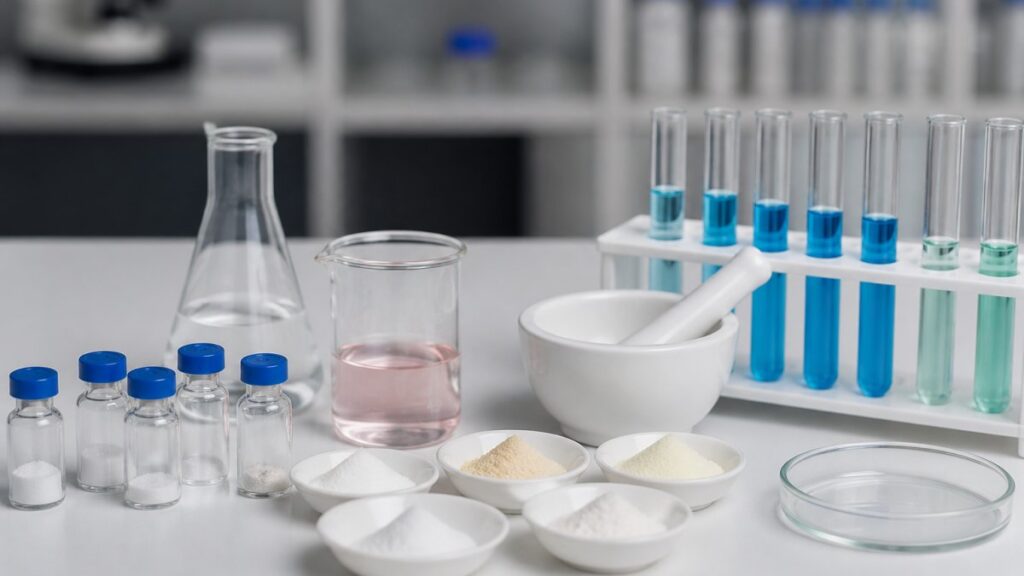
Compare the 5 best reagents for metabolic pathway research in 2026. See GLP-1 agonists, mitochondrial peptides, and assay kits with purity data.
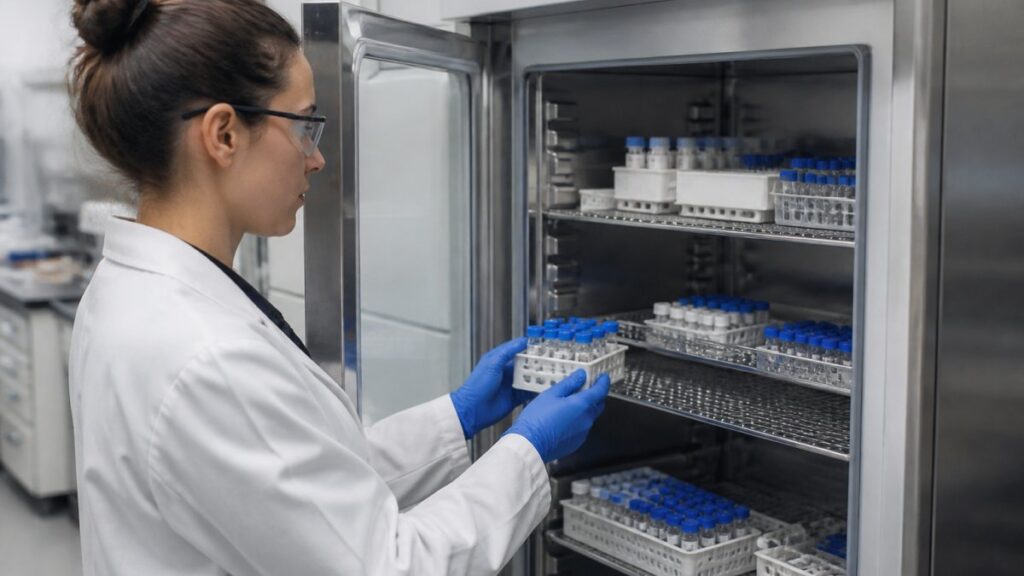
Learn how to perform accelerated stability testing for research peptides. Set up stress conditions, follow ICH Q1A(R2) guidelines, and predict shelf life.
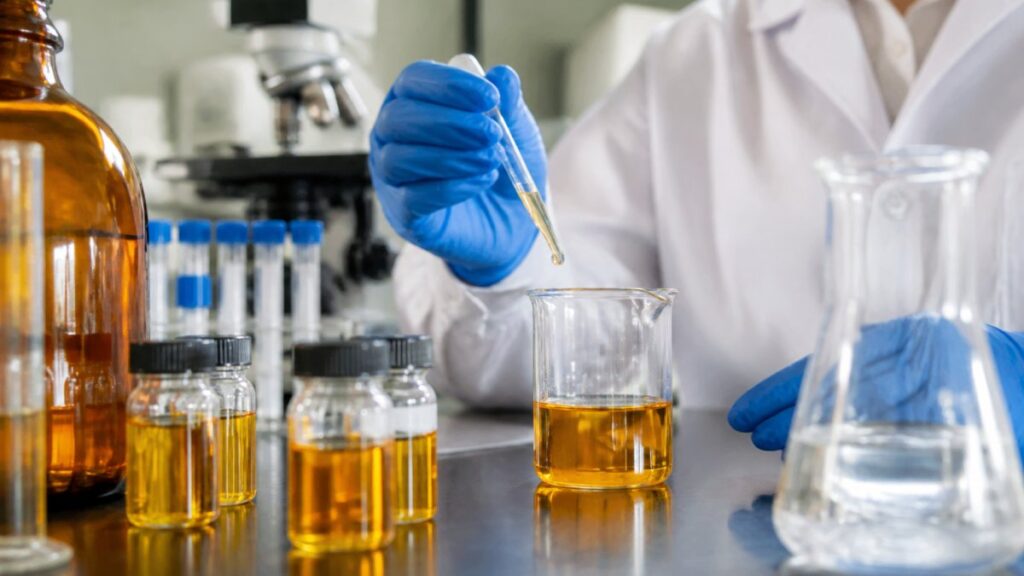
Is CoQ10 stability in aqueous solution sufficient for your research? Explore solubility limits, degradation pathways, and formulation strategies. Learn.
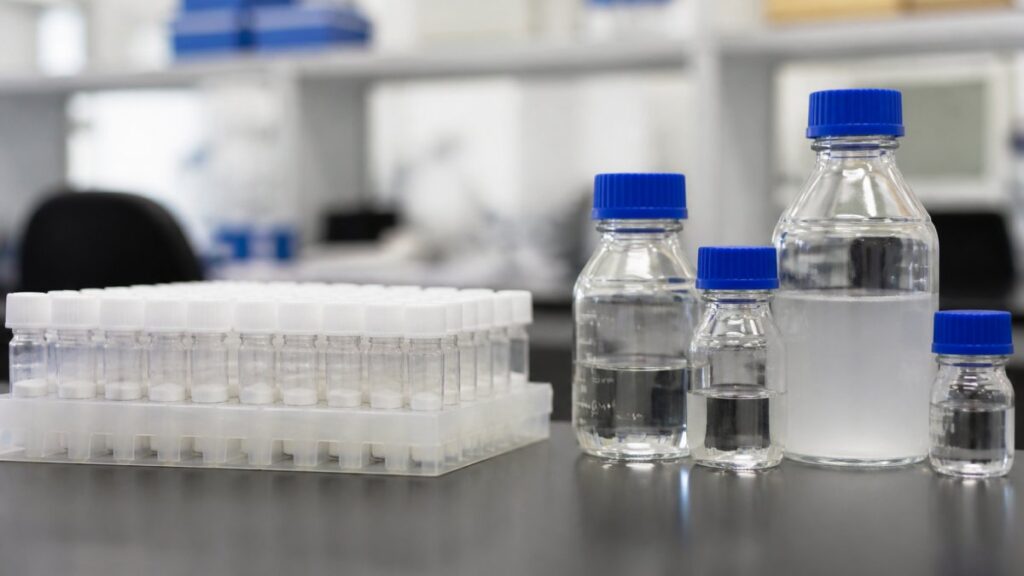
Peptide synthesis vs recombinant production methods compared: SPPS, microbial fermentation, purity, cost, and scale. Learn which approach fits.
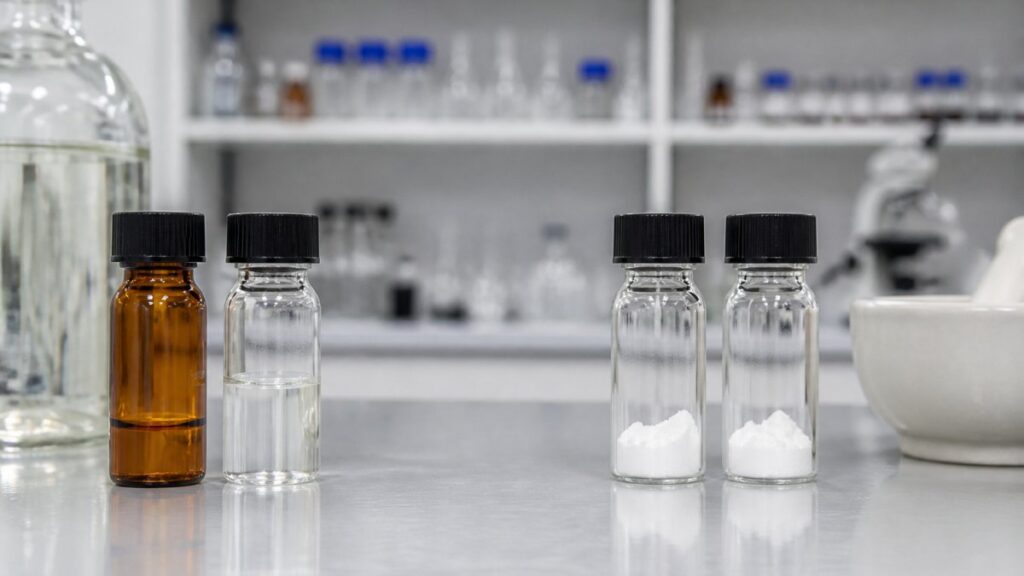
DMSO vs neat storage: compare stability, freeze-thaw risks, and best practices for keeping compounds intact. Find the right method for your lab.