Reliable Lyophilized Coenzyme Vendors: 2026 Guide
Table of Contents
- What Makes a Reliable Lyophilized Coenzyme Vendor
- High Purity NAD+ Analysis and Verification Standards
- Coenzyme Quality Control Standards and Compliance
- Batch-Level Traceability in Chemical Sourcing
- Top Lyophilized Coenzyme Vendors Compared
- Vendor Evaluation Checklist for Procurement
- Regulatory Documentation and Cold Chain Logistics
- Conclusion
- Frequently Asked Questions
What Makes a Reliable Lyophilized Coenzyme Vendor
A reliable lyophilized coenzyme vendor delivers consistent purity, transparent batch documentation, and verifiable supply chain integrity. A 2% variance in coenzyme purity can invalidate months of research work (peer-reviewed research). The difference between a trustworthy vendor and one that creates problems comes down to three core factors: third-party verification of purity, batch-level traceability, and cold chain logistics that actually work.
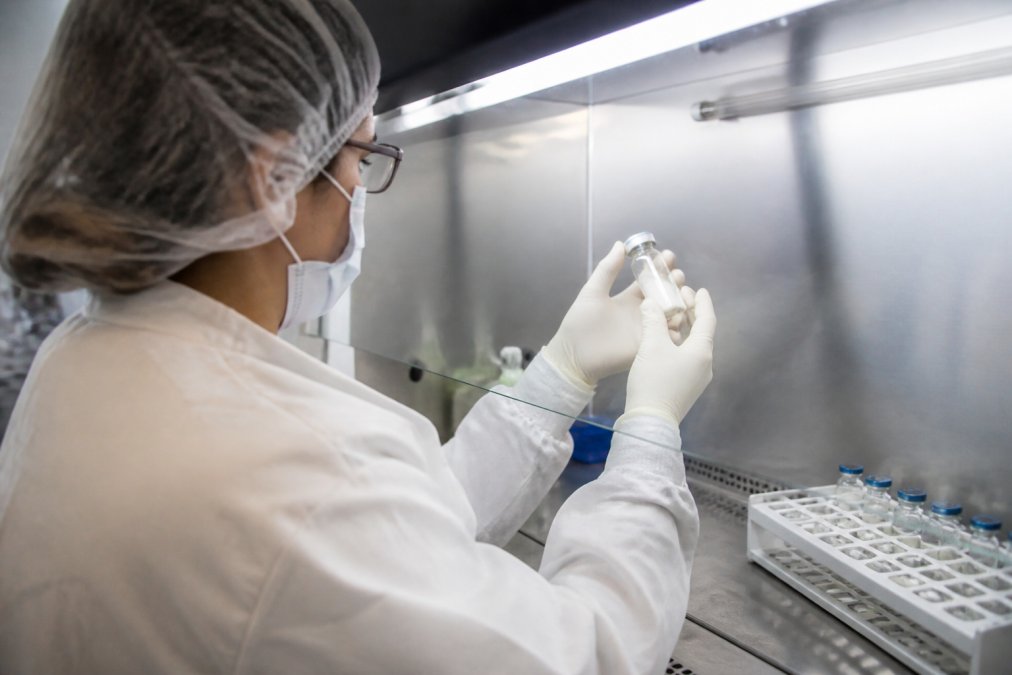
Most vendors claim high purity. What separates reliable ones is proof. When sourcing lyophilized coenzyme vendors for high-stakes research, you need vendors who provide HPLC analysis and mass spectrometry data for every batch, not just the standard they claim to meet. FROPeptides verifies 99%+ purity through multi-stage HPLC testing and mass spectrometry on each batch, backed by a Certificate of Analysis showing exactly what you’re getting.
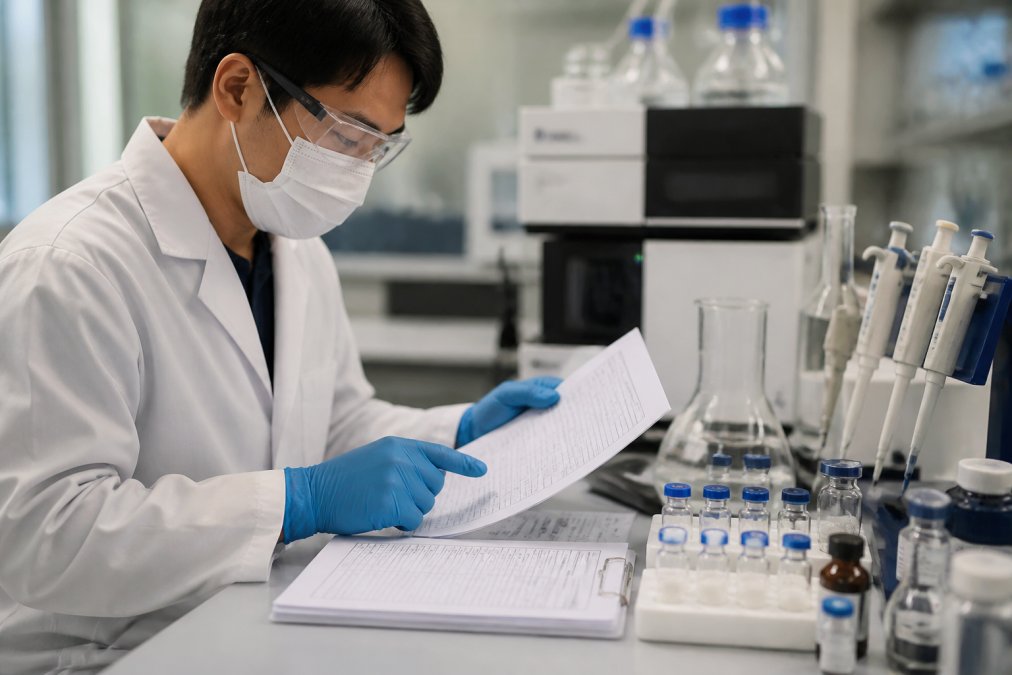
Temperature control matters more than most labs realize. Lyophilized coenzymes degrade during warm shipping or uncontrolled storage. A vendor investing in temperature-controlled logistics protects your research investment. Cold chain transparency lets you trace your compound’s location and temperature throughout its journey from manufacturing to your lab bench.
Batch-level traceability is where accountability lives. You should be able to see the manufacturing date, lot number, quality control results specific to that batch, and ideally the storage conditions it experienced. This is the difference between replicating your results and chasing phantom variables.
High Purity NAD+ Analysis and Verification Standards
High purity NAD+ requires rigorous analytical verification because NAD+ degrades easily and even small contamination changes its biochemical behavior. The standard verification method is HPLC (High-Performance Liquid Chromatography) paired with mass spectrometry to confirm both identity and purity profile.
HPLC separates NAD+ from degradation products and contaminants, showing what percentage of your sample is actually NAD+ versus byproducts. Mass spectrometry confirms the molecular weight, ruling out structural isomers or similar compounds that might pass HPLC but behave differently in your assay (peer-reviewed research). A vendor claiming 99% purity without this data is guessing.
When evaluating high purity NAD+ analysis, look for vendors who provide:
- Individual batch HPLC chromatograms showing peak area and retention time for NAD+ alongside detected impurities
- Mass spectrometry confirmation of the molecular ion (m/z 663 for NAD+) to verify structural identity
- Moisture content analysis because lyophilized NAD+ hygroscopicity affects accurate weighing and dissolution
- Residual solvent testing to confirm no organic solvents remain from synthesis or lyophilization
- Microbial testing for sterile-grade compounds used in cell-based assays
The Certificate of Analysis should report specific purity ranges with confidence intervals, not vague percentages. If a vendor won’t provide this detail, their quality control process isn’t rigorous enough for demanding research.
Coenzyme Quality Control Standards and Compliance
Coenzyme quality control standards in research are governed by GMP (Good Manufacturing Practice) frameworks and regulatory compliance requirements that vary by intended use (the FDA). GMP compliance means the vendor has documented procedures for every step: raw material sourcing, synthesis, purification, testing, packaging, and storage. Batch records exist so you can trace exactly what happened to your compound.
For lyophilized coenzymes specifically, quality control includes:
- Potency testing to confirm the compound works as expected in biological assays
- Identity confirmation through HPLC, mass spectrometry, or NMR spectroscopy
- Purity assays measuring both the active compound and known impurities
- Moisture determination using Karl Fischer titration to ensure proper lyophilization
- Endotoxin testing for compounds used in cell culture or in vivo studies
- Sterility testing when required by the research protocol
Regulatory compliance depends on your intended use. If your research feeds into a pharmaceutical development pipeline, your coenzyme vendor needs to maintain USDMF (United States Drug Master File) documentation or CEP (Certificate of Suitability) status with relevant regulatory bodies.
Request a vendor’s quality control summary upfront. A reputable supplier will provide it without hesitation. If they push back or give vague answers, look elsewhere.
Batch-Level Traceability in Chemical Sourcing
Batch-level traceability means every vial you receive can be linked to a specific manufacturing run with documented quality data. This is critical when troubleshooting unexpected results, traceability lets you answer “Did my coenzyme change, or did something else?” with actual data.
A reliable vendor maintains traceability through:
- Lot numbering systems that encode the manufacturing date and synthesis batch
- Linked Certificates of Analysis showing test results specific to that lot
- Raw material documentation tracing coenzyme precursors back to their suppliers
- Stability data showing how that specific batch performed under accelerated storage conditions
- Chain of custody records documenting storage temperature and handling at each step
When investigating batch consistency issues, traceability separates a vendor who can help from one who shrugs. FROPeptides provides batch-level traceability from sourcing through packaging, so you can pinpoint exactly where anomalies originated and whether they affect other batches.
Supply chain transparency also protects you from counterfeit or degraded compounds. A vendor that can’t trace their lyophilized coenzymes back through their supply chain is cutting corners.
Top Lyophilized Coenzyme Vendors Compared
1. FROPeptides: Temperature-Controlled Excellence
FROPeptides stands out for rigorous batch verification and cold chain logistics that protect compound integrity. Every batch undergoes multi-stage HPLC testing and mass spectrometry verification, with 99%+ purity confirmed before shipment. The Certificate of Analysis includes specific chromatographic data, not just a purity percentage.
What makes FROPeptides a strong choice: batch-level traceability from raw material sourcing through final packaging, temperature-controlled storage to prevent degradation, and ready inventory means your research doesn’t stall. Flat-rate shipping with free delivery on orders over $200 removes guesswork from procurement budgets.
Academic research labs and biotech R&D teams that prioritize purity verification and batch consistency over lowest cost. Ideal for labs running sensitive assays where coenzyme quality directly impacts result reproducibility.
2. Cayman Chemical: Broad Coenzyme Portfolio
Cayman Chemical offers an extensive range of coenzyme derivatives and related compounds, many available as lyophilized powders. Their catalog spans coenzyme A variants, NAD+ related compounds, and specialized coenzymes for metabolic research. Purity levels typically meet or exceed 95%, with many products at 98%+.
Cayman’s strength is breadth. If you need multiple coenzyme types for a complex research project, their single-vendor approach simplifies procurement. You’ll need to contact them directly for Certificate of Analysis data for individual lots.
3. Sigma-Aldrich: Established Research Standard
Sigma-Aldrich is the default choice for many labs because the name is trusted and inventory is usually available. Their lyophilized coenzymes come with documented specifications and established quality standards. Storage recommendations are clear (typically -20°C), and their products are widely cited in published research.
The practical advantage: if your PI has used Sigma-Aldrich for years, switching vendors means revalidating protocols. The tradeoff: Sigma-Aldrich’s pricing is higher than specialized vendors for equivalent purity.
4. AdooQ BioScience: Specialized CoQ10 Supplier
AdooQ BioScience specializes in Coenzyme Q10 (CoQ10) as a lyophilized chemical with excellent stability at -20°C for 36 months. If your research focuses on mitochondrial function, oxidative stress, or antioxidant mechanisms, their CoQ10 is a targeted choice. Pricing is straightforward and competitive for the purity offered.
The limitation: AdooQ’s catalog is narrower than broad-spectrum coenzyme vendors. CoQ10 requires specific solvents like warmed ethanol for solution preparation, a detail that matters for protocol design but that AdooQ documents clearly.
5. Santa Cruz Biotechnology: Extensive Catalog
Santa Cruz Biotechnology maintains a broad range of coenzymes across multiple research disciplines. Their catalog supports biochemistry, molecular biology, and environmental science applications. Products are generally in stock with availability for immediate shipping, valuable when timelines are tight.
6. MedChemExpress: Cost-Effective Research Chemicals
MedChemExpress (MCE) positions itself as a cost-effective source for research-grade chemicals, including Coenzyme A (CoASH) at 96.81% purity. They offer free samples for evaluation, a practical way to test their quality before committing to larger orders. Detailed storage and handling recommendations are provided for each product.
MCE’s advantage is affordability combined with reasonable purity standards. For budget-conscious labs or initial method development where maximum purity isn’t yet critical, MCE is worth evaluating.
Vendor Evaluation Checklist for Procurement
When selecting a lyophilized coenzyme vendor, use this checklist to ensure you’re not compromising on factors that matter for your research.
Quality Verification:
- Vendor provides HPLC chromatograms for every batch, not just aggregate purity claims
- Mass spectrometry data confirms molecular identity
- Moisture content is tested and documented for lyophilized compounds
- Certificate of Analysis includes specific test values with confidence intervals
- Residual solvent testing is performed for compounds synthesized using organic solvents
Traceability and Documentation:
- Lot numbering system clearly links each vial to its manufacturing batch
- Raw material sourcing is documented
- Chain of custody records show storage temperature at each handling step
- Stability data is available for that specific batch under your intended storage conditions
- Vendor can provide documentation within 24-48 hours if you file a quality complaint
Regulatory and Compliance Status:
- Vendor holds GMP certification or equivalent quality management documentation
- USDMF or CEP status is available if your research feeds into pharmaceutical development
- Microbial and endotoxin testing is performed for compounds used in cell culture
- Vendor maintains documented procedures for every manufacturing step
Cold Chain and Logistics:
- Temperature-controlled shipping is standard
- Packaging protects against light exposure and moisture ingress during transit
- Vendor tracks shipping temperatures and can provide temperature logs if requested
- Replacement policy is clear if a shipment arrives compromised
Communication and Support:
- Vendor responds to technical questions within 24 hours
- Custom quantities or specifications can be accommodated without prohibitive minimums
- Batch data is provided proactively with shipments
- Vendor has experience with your specific research application
Cost and Availability:
- Pricing is transparent and competitive for the purity grade offered
- Volume discounts are available for regular, higher-volume orders
- Inventory status is current
- Minimum order quantities align with your lab’s typical usage patterns
A vendor that checks all boxes is worth the premium. One that skips verification or documentation steps is cutting corners that will eventually cost you in troubleshooting and failed experiments.
Regulatory Documentation and Cold Chain Logistics
Regulatory documentation for lyophilized coenzymes depends on your intended use. For pure research applications, documentation requirements are lighter than for pharmaceutical development. However, maintaining proper records protects both you and your vendor if questions arise later.
Essential regulatory documents include:
- Certificate of Analysis (CoA): Specific to each batch, showing purity, identity, and detected impurities
- Safety Data Sheet (SDS): Hazard information, storage conditions, and handling precautions
- Quality Overall Summary (QOS): For vendors supplying compounds that feed into drug development pipelines
- USDMF or CEP documentation: Proof that the compound was manufactured under pharmaceutical-grade conditions
Cold chain logistics are where theoretical purity meets real-world delivery. A lyophilized coenzyme can degrade during shipping if temperatures fluctuate or if it’s exposed to humidity. A reliable vendor uses insulated packaging with phase-change materials, desiccant packets to absorb moisture, tracking systems that record temperature during transit, and clear handling instructions on package labeling.
When you receive a shipment, inspect the packaging immediately. Ice packs should be present and still cool. Desiccant packets should be included. If the package shows signs of temperature abuse, melting, or condensation inside the vial, contact the vendor before using the material.
Never accept a shipment that shows visible degradation or temperature damage. Even if the vendor offers a discount to use it anyway, the risk to your research isn’t worth the savings. Degraded coenzymes produce unreliable results that waste far more time and resources than the cost of replacement material.
Conclusion
Selecting a reliable lyophilized coenzyme vendor comes down to verifiable purity, batch-level traceability, and cold chain logistics that protect your investment. The cheapest option rarely delivers the consistency your research demands. FROPeptides delivers exactly what rigorous research requires: 99%+ purity verified by HPLC and mass spectrometry on every batch, batch-level traceability from sourcing through packaging, temperature-controlled storage and handling, and Certificates of Analysis that show exactly what you’re getting. For labs where coenzyme quality directly impacts result reproducibility, FROPeptides is the choice that removes doubt. Shop Now and eliminate the variables that tank your research.
| Vendor | Purity Range | Batch Verification | Traceability | Best For |
|---|---|---|---|---|
| FROPeptides | 99%+ | HPLC + MS | Full documentation | Labs prioritizing verification rigor |
| Cayman Chemical | 95-98%+ | Standard | Product-level | Researchers needing coenzyme variety |
| Sigma-Aldrich | 95%+ | Standard | Established | Institutions with existing contracts |
| AdooQ BioScience | High purity | Documented | Product-level | CoQ10-specific research |
| Santa Cruz | Varies | Standard | Product-level | Labs needing fast turnaround |
| MedChemExpress | 96%+ | Basic | Limited | Budget-conscious early-stage research |
Frequently Asked Questions
What documentation should a reliable lyophilized coenzyme vendor provide with each shipment?
A reliable vendor must supply a Certificate of Analysis (CoA) for every batch, detailing HPLC purity results, mass spectrometry data, moisture content analysis, and batch-level traceability information. The CoA should identify the supplier, manufacturing date, expiration date, and storage conditions. Batch-level traceability lets you cross-reference your compounds to specific manufacturing runs, which is essential for regulatory compliance and reproducible research.
Why is batch-level traceability critical for lyophilized coenzymes in research?
Batch-level traceability ensures you can track every compound from raw material sourcing through final packaging. If results vary between experiments, traceability identifies whether the issue stems from your protocol or supplier inconsistency. For peer-reviewed publications, journals increasingly require vendors to document supply chain transparency and batch consistency. Traceability also protects you if a batch fails quality testing, you can isolate the problem and prevent contamination across your research pipeline.
How do I verify the authenticity of mass spectrometry and HPLC results from a coenzyme vendor?
Request raw mass spectrometry and HPLC chromatograms, not just summary percentages. Legitimate vendors provide detailed spectroscopic data showing peak identification, retention times, and purity calculations. Cross-check the vendor’s stated purity against industry standards for that coenzyme, CoQ10 research-grade should exceed 95%, NAD+ typically 96%+. Ask whether testing occurs in-house or through third-party labs accredited by organizations like AOAC International. Reputable vendors welcome technical questions and can explain their analytical methods without hesitation.
What purity standards should I expect from a reliable lyophilized coenzyme vendor?
Research-grade coenzymes typically meet 95-99%+ purity verified by HPLC and mass spectrometry. High purity NAD+ analysis standards generally require minimum 96% purity for analytical research. The exact threshold depends on your assay sensitivity, assays detecting subtle changes in metabolic pathways demand higher purity than qualitative studies. Always confirm purity specifications match your protocol requirements before ordering.